
By now, many people have heard of hydroponic farms, which are operations that grow a variety of edible plants, often in shipping containers without soil.
But plants aren’t the only edibles that can be grown – or raised – in windowless shipping containers. Atarraya Inc. is disrupting the shrimp production market with its tech-driven method of cultivating shrimp in its shipping container-like apparatus. And the fledgling company’s new Indianapolis operation is a big part of its growth plans.
Atarraya is in the process of creating a showroom and training facility at its central Indiana site for its new signature product, the Shrimpbox, a high-tech container for raising shrimp sustainably and economically. Atarraya says its product can produce shrimp with less labor than conventional methods. The Shrimpbox can produce 1.5 tons of “fresh, never frozen” shrimp annually and is expected to be commercially available next year, according to the company.
The Shrimpbox, which is making big waves by using artificial intelligence to monitor the crustaceans’ food and water quality, was recently named to TIME magazine’s top inventions list.
The containers circumvent the negative environmental impacts of wild shrimp farming, which harms other wildlife, and traditional shrimp farming, which threatens mangrove forests in coastal areas, according to Atarraya officials.
Headquartered in Mexico, the firm currently only has a handful of employees at its operation at 2057 S. Belmont Ave. not far from downtown. In total it has 87 employees, most at its operations in Mexico City. To facilitate growth, the company is hiring engineers, operators and biologists in central Indiana.
The Indiana Economic Development Corp. (IEDC) has offered Atarraya up to $1 million in incentive-based tax credits and up to $50,000 in training grants. The company will not be eligible to claim the incentives until Indiana workers are hired for the new jobs.
Atarraya plans to invest $4.8 million in its Indianapolis operation, hiring up to 65 people in Indiana by the end of 2025.
Atarraya closed on a $3.9 million round of venture capital – led by New York-based Venture Partners – this fall, which is providing an additional wave of currency for the Indiana expansion, company officials said, adding that the firm plans to begin later this year raising funding for a Series B round of up to $20 million.
Most shrimp consumed in the U.S. is imported – much of it from China, but Atarraya officials think the company’s Shrimpbox could change that. Atarraya could get a significant boost by the booming farm-to-table movement, which strives to keep food production close to the end consumers.
The demand for shrimp is significant, boosting Atarraya’s outlook. Shrimp is the most valuable traded marine product in the world today – and has one of the highest growth rates in aquaculture, according to multiple sources. The demand for shrimp has increased rapidly over the years resulting in high production. For instance, according to the Food and Agriculture Organization, farmed shrimp production in 2021 had a 12.5% year-over-year increase.
Atarraya officials said it chose Indiana for its first U.S. operation due to its central location and transportation and logistics infrastructure, but more importantly for the reception and support it has received from AgriNovus Indiana and the IEDC.
“Atarraya’s Shrimpbox unites the power of technology, science and sustainable food production to bring new choices to the U.S. market,” states Mitch Frazier, CEO of AgriNovus Indiana, a non-profit organization focused on growing the state’s agbioscience industry. “Indiana’s $52 billion agbioscience economy, coupled with our strength in technology, make Indiana a destination of choice for global innovators like Atarraya as we build the economy of the future.”
The Shrimpbox technology features an automatic feeding system the company says reduces labor hours and improves growth of shrimp by the precise amount of feed needed at optimal times, which also reduces waste and eliminates water pollution. Just four people operating a shrimp-production operation using Shrimpboxes could raise up to 80 tons of shrimp annually, according to Atarraya officials.
“We’ve spent the past decade developing the technology that will empower the future of aquaculture and realized that in order to unleash its true potential to feed the world, aquaculture must be local,” Atarraya CEO Daniel Russek says. “We are excited to start in the U.S. agriculture capital of Indiana, which we believe will rapidly become the nation’s agtech capital.”
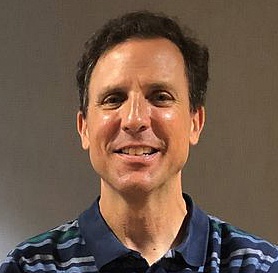 Anthony Schoettle is the director of communications for the Indiana Chamber. He started with the Chamber in 2021 after a long career in journalism. He’s won multiple awards for his storytelling ability on a wide range of business topics.